Team Retention Starts with Team Dynamics, Not Policies
Written by Guillermo Gutierrez

When retention numbers slip, most organizations look at compensation, benefits, or company-wide initiatives.
Those factors matter. But they rarely explain why one team keeps people for years while another struggles with constant turnover under the same policies.
Team retention is shaped at the team level.
The daily experience employees have with their manager and teammates plays a larger role in long-term commitment than most leaders realize. When relationships are strong and expectations are clear, retention improves naturally. When team dynamics break down, even high performers begin to disengage.
If you want to improve retention, you have to understand the retention dynamics happening inside your teams.
Why Team Retention Is a Team-Level Issue
Employees do not experience “the organization” in abstract terms. They experience:
- Their manager
- Their closest teammates
- The tone of team meetings
- How conflict is handled
- Whether their voice matters
This is where team dynamics and retention intersect.
A talented employee can tolerate organizational complexity if their immediate team feels safe, supportive, and aligned. The opposite is also true. Even strong compensation cannot make up for daily friction, mistrust, or lack of clarity inside a team.
Retention does not usually fail because of one large event. It erodes through small, repeated interactions that signal whether someone belongs, is valued, and can succeed.
The Interpersonal Side of Retention
Retention conversations often focus on career paths, development plans, or workload and time management. Those are important. But interpersonal skill gaps inside teams frequently drive exits.
Common breakdowns include:
- Feedback delivered without curiosity
- Conflict avoided resulting in resentment and mistrust
- Managers acting as the communication bottleneck
- Unclear expectations that create hidden frustration
Research highlighted in Harvard Business Review shows that communication patterns inside teams can predict a meaningful percentage of performance variation. Balanced talk time, energetic exchanges, direct member-to-member communication, and healthy outside exploration all influence how well teams function.
These patterns do not just affect productivity. They affect commitment.
Strong retention dynamics depend on how consistently teams practice these habits.
What High-Trust Teams Do Differently
High-performing, high-trust teams are not defined by the absence of conflict. They are defined by how they handle it.
In healthy teams:
- Members speak directly to one another rather than routing everything through the manager.
- Disagreements focus on work outcomes, not personalities.
- Feedback is expected and normalized.
- Members are empowered to take accountability for their role, and accountability is shared by the whole team.
- Conversations are energetic and inclusive, not dominated by a few voices.
These behaviors build connection and clarity. Over time, they shape team retention because employees feel respected, heard, and supported.
Trust does not develop accidentally. It grows from repeated interpersonal signals that reinforce fairness, safety, and shared responsibility.
The Manager’s Influence on Retention Dynamics
Managers play a central role in shaping team retention.
Not by controlling every interaction, but by setting expectations and modeling behavior.
Leadership decisions that influence team retention include:
- How you respond when conflict surfaces
- Whether you reinforce direct communication between team members
- How you handle accountability gaps
- Whether you create space for equal participation
- How often you check in on the team’s “pulse,” not just project status
When managers ignore relational tension, it does not disappear. It shifts underground and shows up later as disengagement, withdrawal, or turnover.
When managers actively coach interpersonal skill development, teams become more resilient. They can handle pressure without fracturing.
That resilience is one of the strongest predictors of long-term team retention.
Team Makeup Changes — And So Does Leadership’s Role
It’s also worth noting that teams are not static. When someone leaves, a new hire joins, or a team restructures, the dynamics shift and so does the work required to sustain trust and cohesion.
Teams move through distinct stages of development, and each stage calls for different leadership behaviors. Understanding where your team is on that journey can make a significant difference in how you respond to friction, support new members, and build the kind of environment where people want to stay.
Warning Signs Your Team Retention Is at Risk
Retention challenges often begin subtly.
Watch for:
- Increased side conversations that replace open dialogue
- Repeated misunderstandings around roles or decisions
- Silence in meetings from previously engaged contributors
- Team members escalating minor issues to leadership rather than addressing them directly
- High performers expressing fatigue without obvious workload increases
These are not always individual problems. They may signal shifting dynamics inside the team that can negatively impact retention.
Diagnosing whether the issue is structural, relational, or individual is the first step toward stabilizing the team.
Shifting the Conversation from Perks to Team Culture
It is tempting to respond to retention concerns with external incentives.
But improving team retention requires strengthening how teams work together day to day.
That includes:
- Clarifying behavioral expectations, not just job responsibilities
- Coaching active listening and perspective-taking
- Normalizing healthy disagreement
- Encouraging shared problem-solving
- Reinforcing direct communication patterns
Retention improves when employees feel connected to something bigger than themselves and confident in how the team operates.
Culture is not built in company-wide announcements. It is reinforced in everyday team interactions.
From Individual Success to Collective Success
Another overlooked retention dynamic is mindset.
In lower-trust environments, individuals focus on personal success and self-protection. In high-trust teams, members think collectively. They adjust for one another’s strengths and gaps. They take responsibility for shared outcomes.
Managers influence this shift.
When leaders emphasize collective success, celebrate team wins, and address behavior that undermines cohesion, they reinforce a culture where people want to stay.
Employees are far less likely to leave a team where they feel part of something meaningful and collaborative.
Team Retention Is Built, Not Assumed
Retention strategies often fail because they treat turnover as an isolated event.
In reality, team dynamics and retention are intertwined. Engagement, trust, and interpersonal skill development are not “soft” factors. They are structural elements of sustainable performance.
Organizations that prioritize healthy retention dynamics see:
- Higher engagement
- Greater resilience during change
- Stronger personal and team accountability
- Reduced managerial firefighting
- More consistent performance
Team retention does not happen automatically. It is shaped deliberately.
Ready to Start?
Build Stronger Retention Through Stronger Team Dynamics
If improving team retention is a priority, the next step is focusing on how your teams communicate, handle conflict, and build trust day to day. Retention does not improve through policy changes alone. It improves when managers intentionally shape the dynamics that influence engagement and long-term commitment.
Frontline supports managers and HR leaders with practical tools and guidance to strengthen interpersonal skills, improve communication patterns, and create high-trust team environments.
Watch our Retention Starts with Team Dynamics on-demand webinar to learn how leadership behavior and team culture directly influence retention outcomes — and what you can do to strengthen them within your organization.
Explore More Resources
Frontline has everything you need to know about training your team to get stronger and rise to every work challenge. Explore our webinars, podcast, magazine, and more blog posts today!
About the Author
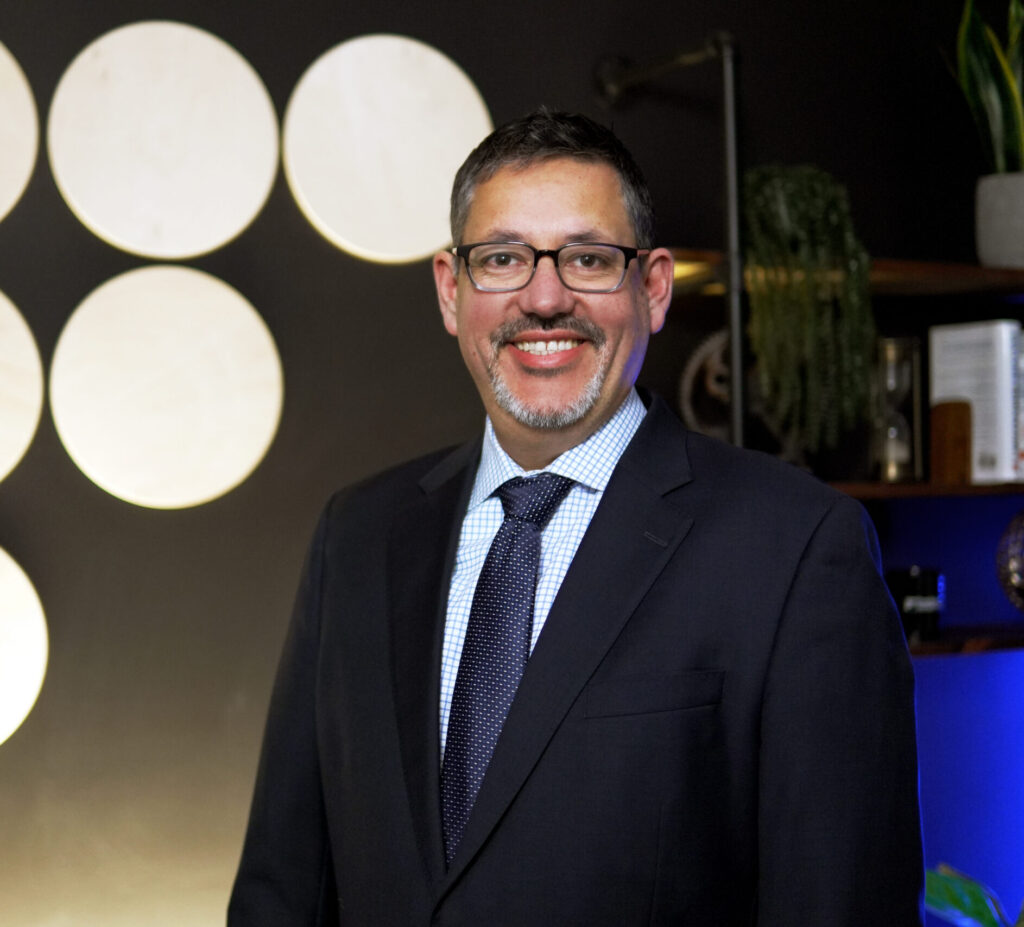
Guillermo Gutierrez
Guillermo brings over 20 years of global experience partnering with leaders across manufacturing, financial services, consulting, and staffing to deliver practical, people-centered solutions. He has designed and facilitated measurable leadership and development programs for Fortune 500 organizations including Manpower Group, Exxon Mobil, John Deere, Caterpillar, and Scotiabank, as well as global privately held companies such as Kohler Co., Robert W. Baird, and Medline Industries. As a trusted advisor, Guillermo works closely with senior leaders and HR teams to assess business and talent needs and implement sustainable, results-driven solutions. He is passionate about developing leaders, strengthening team dynamics, and building open, inclusive, trust-based cultures that drive engagement, retention, and performance.